![[CY]BEARCATS Robotics FRC #11214](https://core-docs.s3.amazonaws.com/decatur_county_schools__ga_ar/article/image/large_a98df78b-5e16-4f15-9e0e-27bd45b8b69b.jpeg)
It's a year of firsts for the first FIRST ROBOTICS COMPETITION team at Bainbridge High School and January 10th the newly formed FRC #11214 [cy]BEARCATS attended their first Kick off in Albany, GA. The event was hosted by FRC team #6919 The Commodores who have been mentoring our new team each step of the way on our journey during this Rookie Year.
The FIRST Robotics Competition 2026 Kickoff provided a comprehensive introduction to the season by unveiling the new game, distributing the official rulebook, and sharing a wide range of resources designed to help teams get started quickly and safely. Opening with a high-energy game, videos showcased the field elements, scoring objects, and thematic goals. Following the reveal, organizers guided viewers through the physical field layout and demonstrated key interactions, letting teams visualize how robots will need to move, manipulate game pieces, cooperate, and compete during matches. After the reveal, the game manual, along with accompanying technical illustrations, were posted. Presenters highlighted the important rule changes, safety requirements, robot sizing and weight limits, power and battery constraints, and inspection checklists that teams must follow during build and competition. The hosts gave a detailed breakdown of scoring mechanics, ranking procedures, and endgame or bonus conditions, offering sample scenarios to clarify how different design choices and match strategies might become points or tiebreakers. Demonstration matches and annotated field walkthroughs helped illustrate typical scoring sequences, common obstacles, and areas where teams frequently face mechanical or control challenges, helping participants identify which subsystems or mechanisms to prioritize in early prototyping.
Throughout the kickoff, there were dedicated sessions for engineering guidance and best practices — from initial conceptual sketches and rapid prototyping tips to CAD workflows, drivetrain trade-offs, and sensor recommendations — along with practical reminders about safety protocols, inspection readiness, and documentation requirements. A live Q&A segment allowed teams to ask clarifying questions; organizers addressed points of confusion, explained how formal clarifications and Q&A updates will be published, and encouraged teams to monitor the official channels for announcements. Resource announcements included links to CAD models, field element files, sample control code, starter libraries, as well as recommended timelines: build-season milestones, inspection windows, regional and district event dates, and deadlines for registrations or parts orders. Mentors and event volunteers were given guidance on coaching methods, team safety checks, and helping rookies acclimate to the game’s demands, while rookie-focused sessions covered essentials such as team roles, basic shop procedures, prioritizing simple, high-impact mechanisms, and running a safe first prototype.
Throughout the kickoff, there were dedicated sessions for engineering guidance and best practices — from initial conceptual sketches and rapid prototyping tips to CAD workflows, drivetrain trade-offs, and sensor recommendations — along with practical reminders about safety protocols, inspection readiness, and documentation requirements. A live Q&A segment allowed teams to ask clarifying questions; organizers addressed points of confusion, explained how formal clarifications and Q&A updates will be published, and encouraged teams to monitor the official channels for announcements. Resource announcements included links to CAD models, field element files, sample control code, starter libraries, as well as recommended timelines: build-season milestones, inspection windows, regional and district event dates, and deadlines for registrations or parts orders. Mentors and event volunteers were given guidance on coaching methods, team safety checks, and helping rookies acclimate to the game’s demands, while rookie-focused sessions covered essentials such as team roles, basic shop procedures, prioritizing simple, high-impact mechanisms, and running a safe first prototype.
Throughout the kickoff, there were dedicated sessions for engineering guidance and best practices — from initial conceptual sketches and rapid prototyping tips to CAD workflows, drivetrain trade-offs, and sensor recommendations — along with practical reminders about safety protocols, inspection readiness, and documentation requirements. A live Q&A segment allowed teams to ask clarifying questions; organizers addressed points of confusion, explained how formal clarifications and Q&A updates will be published, and encouraged teams to monitor the official channels for announcements. Resource announcements included links to CAD models, field element files, sample control code, starter libraries, as well as recommended timelines: build-season milestones, inspection windows, regional and district event dates, and deadlines for registrations or parts orders. Mentors and event volunteers were given guidance on coaching methods, team safety checks, and helping rookies acclimate to the game’s demands, while rookie-focused sessions covered essentials such as team roles, basic shop procedures, prioritizing simple, high-impact mechanisms, and running a safe first prototype.
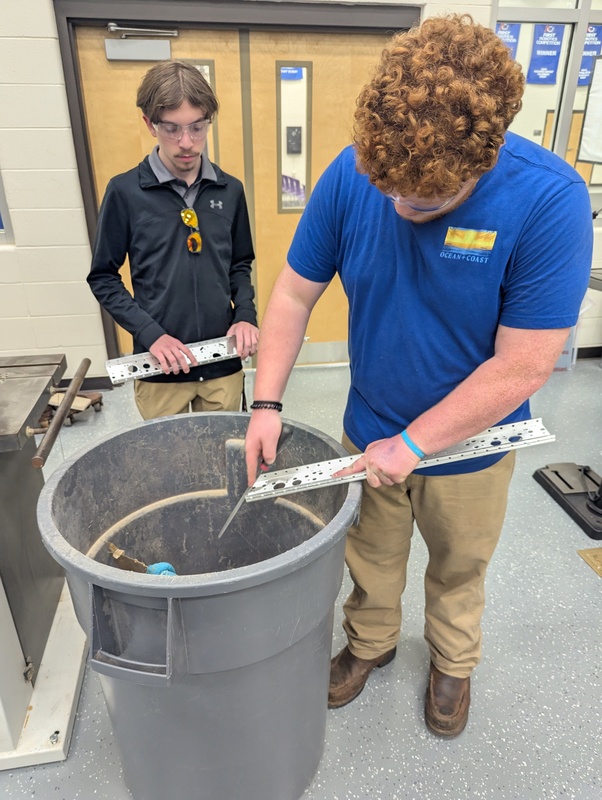
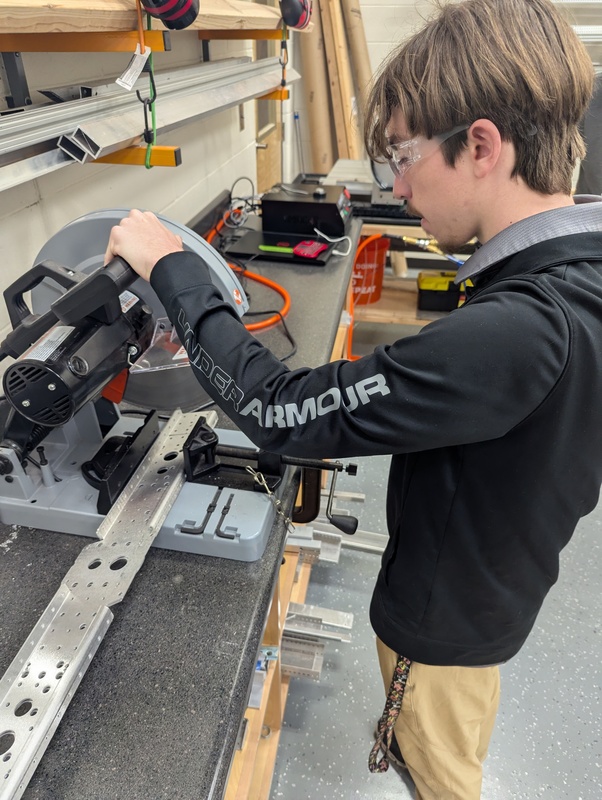
![Students on the[cy]BEARCATS team pick up thier kit of parts and learn more about how to get started](https://core-docs.s3.amazonaws.com/decatur_county_schools__ga_ar/picture/data/933999/content_sXcXO5C5FZ5T-tpTG-Iufw.jpeg)
Community engagement was a prominent theme: teams around the world hosted local kickoff watch parties, shared first-impression photos, sketches, strategy notes on social media, and began forming sub teams to tackle design, controls, and outreach tasks. Organizers encouraged this collaborative spirit by promoting mentorship, sponsor involvement, and knowledge-sharing through forums and local events. During the end, presenters emphasized immediate next steps for teams: read the entire game manual and any posted clarifications carefully, assemble a kickoff debrief to assign roles and select initial strategies, sketch quick concept prototypes, begin basic testing, create a build and procurement timeline, prepare for inspection requirements, and order critical parts early to avoid supply delays. The kickoff left teams energized but reminded them that the season’s success will come from deliberate planning, disciplined iteration, safety-first building, and strong teamwork.